
The short answer
You do not need a religious service, or any ceremony at all, for a burial or ashes interment. A humanist celebrant can lead a personal, non-religious ceremony. A civil or independent celebrant can include some religious content if you want it. Or family and friends can lead it themselves. Natural burial grounds are used to all three.
More families than ever are choosing a funeral without religion. In the 2021 Census, 37.2% of people in England and Wales said they had no religion, up from 25.2% in 2011. SunLife's Cost of Dying Report 2026 found that 37% of people who arranged a funeral had a non-religious service, and a further 14% mixed religious and non-religious elements.
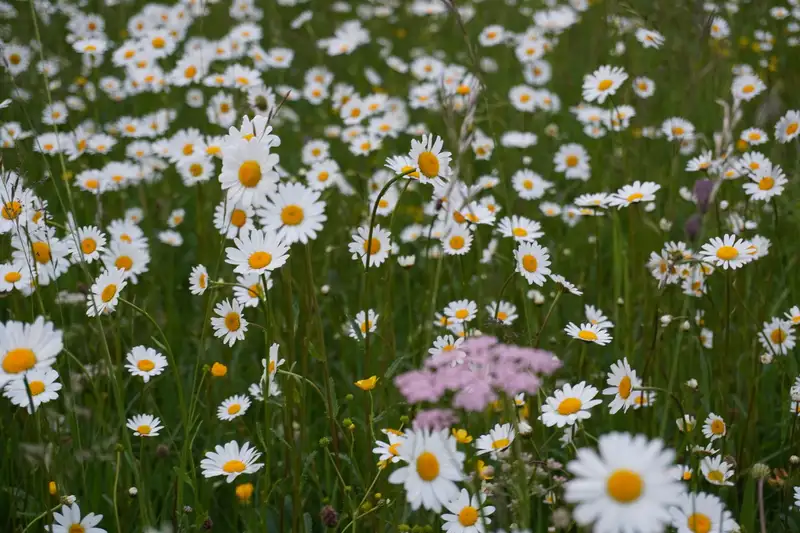
A natural burial ground is a natural fit for many of these families. There is no church or chapel to work around, and the setting itself, a meadow or a young wood, often says more than words.
Do you need a ceremony at all?
No. Northumberland County Council's funeral guide says there is no legal requirement to have any kind of funeral ceremony, and that you do not have to use a minister unless you want a religious service. Humanists UK puts it simply: funerals have no legal status, so you are free to hold a ceremony wherever you choose.
That leaves you free to do what feels right. Some families hold a ceremony at the graveside. Others choose a direct cremation and gather later to bury the ashes, or hold a celebration of life somewhere else entirely. SunLife found that 21% of funerals are now direct cremations, and that 86% of those families still held a memorial or celebration of some kind.
Who can lead it?
A humanist celebrant. Humanists UK describes a humanist funeral as a non-religious and personal ceremony, led by a celebrant, that is both a dignified farewell and a celebration of a life. The celebrant works with the family to write a personal tribute and helps plan the music, readings and time for reflection, and sends you the script to approve beforehand. Humanists UK and Humanist Society Scotland both have online tools to find a celebrant near you.
A civil or independent celebrant. The Institute of Civil Funerals says a civil funeral is driven by the wishes, beliefs and values of the person who passed away and their family, and that it is your choice whether to have prayers and hymns or none. This can suit families with mixed beliefs. The Fellowship of Professional Celebrants lists the interment of ashes among the ceremonies its members lead.
Family and friends. You can lead the ceremony yourselves. Many families find this the most personal option of all, particularly for a small ashes burial. A friend can act as host, keeping things moving and introducing each person who speaks.
What could the ceremony include?
There are no rules, but non-religious ceremonies often include:
- a welcome, and a few words about why you are gathered here
- the story of the person's life, told by a celebrant or by family
- memories from friends, children or grandchildren
- poems, readings or song lyrics, and music played or sung
- a few minutes of silence, which people with a faith may use for a private prayer
- a moment at the graveside, such as lowering the coffin or placing the ashes
- a closing thought, and an invitation to stay or meet afterwards
At a natural burial ground, families can often do more themselves. Depending on the site, you may be able to carry the coffin, help backfill the grave, scatter wildflower seed if the site allows it or plant a memorial tree. Ask what is possible when you book.
Mixed beliefs in one family
Families rarely all believe the same thing. A non-religious ceremony can leave space for those who pray, and a civil celebrant can include a single prayer or hymn alongside a non-religious tribute. If the person who passed away had no faith but close relatives do, a quiet moment for private reflection is often a good way to include everyone. For families of particular faiths, our guide to natural burial for every faith and none explains what to ask.
When you know what you would like, compare natural burial grounds near you, or see what happens at an ashes burial.
Common questions
Do we have to have a ceremony at a burial?
No. Northumberland County Council's funeral guide says there is no legal requirement to have any kind of funeral ceremony, and you do not have to use a minister unless you want a religious service. Some families hold a small gathering at the graveside, some a larger memorial elsewhere, and some nothing at all.
Can a humanist celebrant lead an ashes burial?
Yes. Humanists UK says a memorial ceremony can follow a direct cremation, with the ashes present instead of a coffin. Humanist and independent celebrants lead ceremonies at natural burial grounds as well as at crematoria and cemeteries.
Can a non-religious ceremony include a prayer or a hymn?
A humanist ceremony does not include acts of worship, but it usually has a moment of quiet reflection, and Humanists UK notes that people with religious beliefs often use it for a silent prayer. If you want a hymn or a prayer said aloud, a civil or independent celebrant can include one.
How much does a humanist celebrant cost?
Fees are set by each celebrant or organisation. Humanist Society Scotland says its funeral ceremonies normally cost £210, or £255 for an extended funeral. Ask any celebrant for their fee and what it includes before you book.
Sources
- Humanists UK - What is a humanist funeral?
- Humanist Society Scotland - Humanist funerals
- The Institute of Civil Funerals - About civil funerals
- The Fellowship of Professional Celebrants - About
- Northumberland County Council - Funeral arrangement guide
- SunLife - Cost of Dying Report 2026
- Office for National Statistics - Religion, England and Wales: Census 2021